Quantinuum's iceberg codes just changed the error correction math
For the first time at meaningful scale, error-corrected qubits outperform the raw hardware. That's the threshold the entire field has been waiting for.
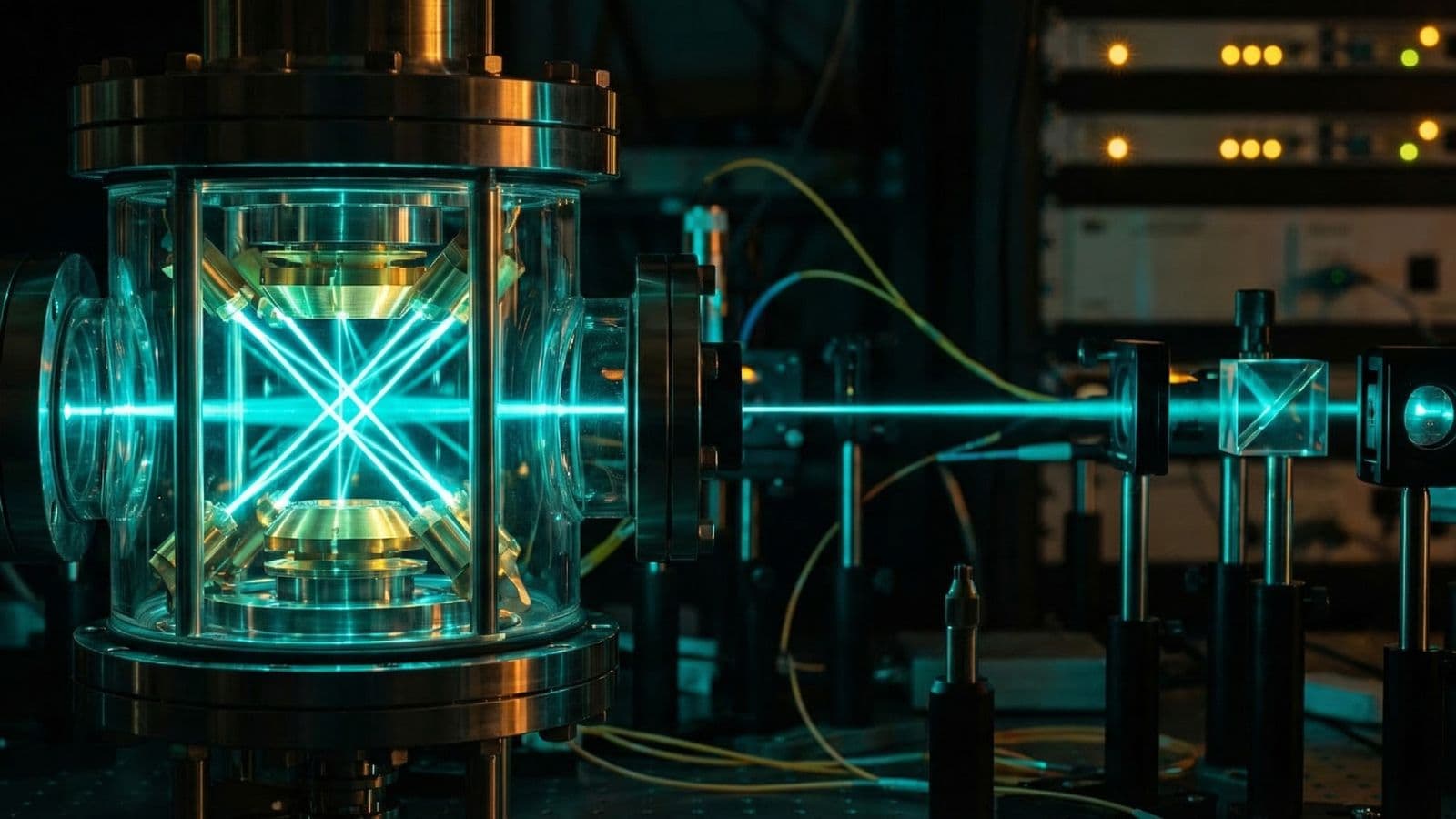
In early March, Quantinuum and JPMorgan Chase published results that the quantum computing field will be digesting for months. On Quantinuum's Helios trapped-ion processor, they demonstrated 94 logical qubits with error detection and 48 with full error correction. The logical gate error rates hit approximately 1 in 10,000, significantly better than the physical hardware's native error rate.
Read that last part again. The error-corrected qubits performed better than the raw hardware. Protected qubits were more reliable than unprotected ones.
This might sound like it should be obvious. Isn't that the whole point of error correction? But for most of quantum computing's history, the overhead of error correction consumed more resources than it saved. You'd spend so many physical qubits monitoring and correcting errors that the net effect was negative. You were better off just using the raw hardware and dealing with the noise.